Lansford No. 9 Coal Mine Transfer Station and Shaft– Industrial History
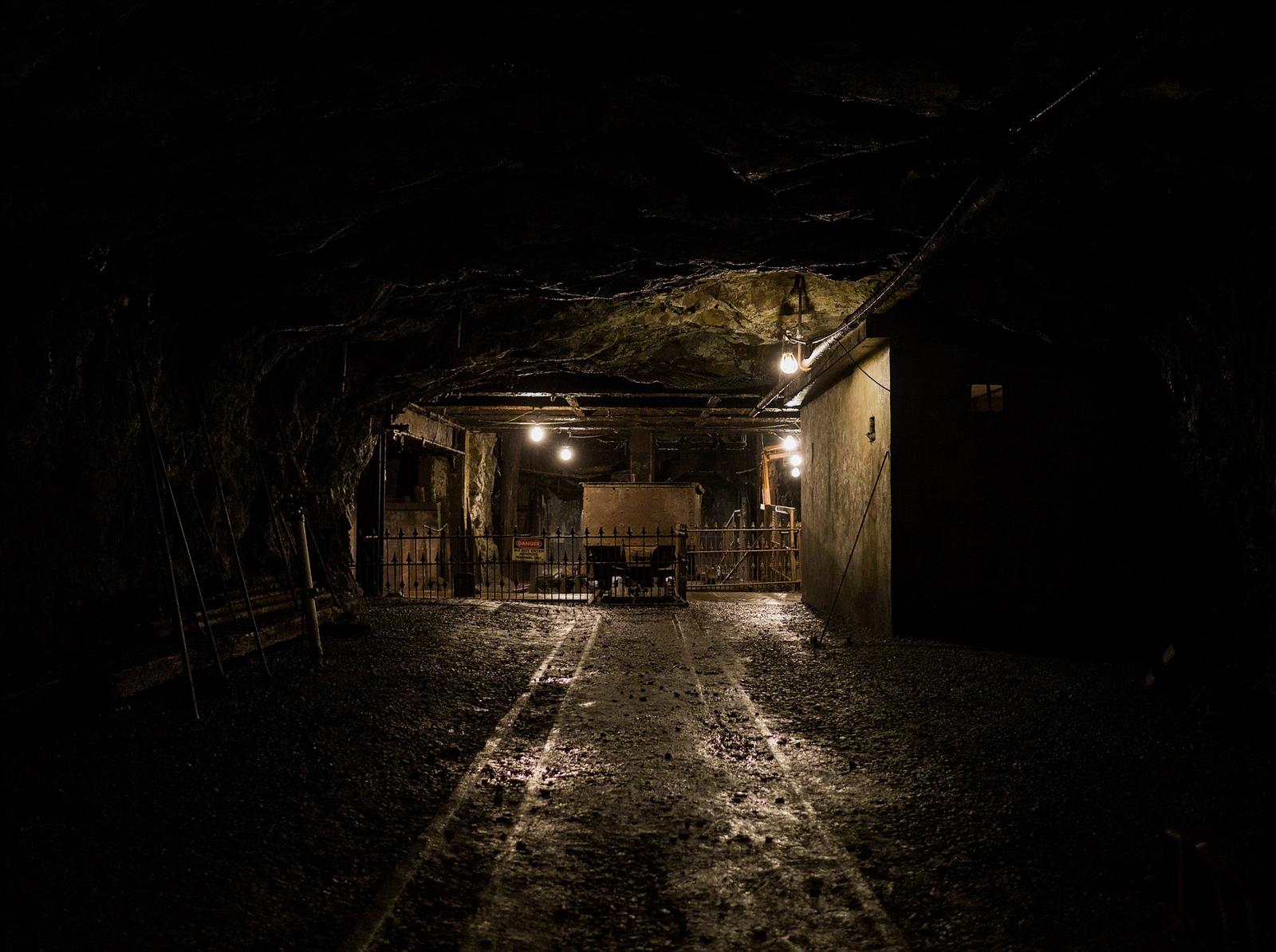
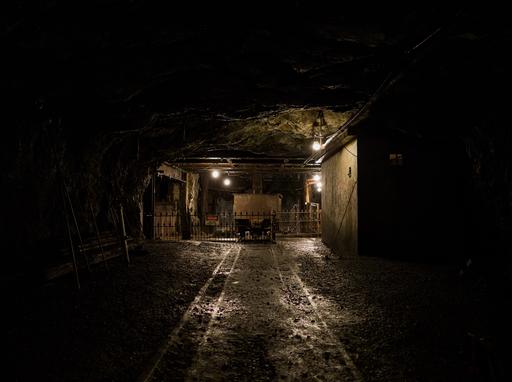
Looking at a mine cart, transfer station, and shaft at the Lansford No. 9 coal mine. This shaft (center back) extended up and down hundreds of feet, but is flooded in the present day. A transfer station (left) is a machine used to shift and rotate coal cars across different tracks when there is not enough room to use normal tracks and junctions. A small mine office is visible to the right.

Click to enlarge. View Photo Details

Looking at a mine cart, transfer station, and shaft at the Lansford No. 9 coal mine. This shaft (center back) extended up and down hundreds of feet, but is flooded in the present day. A transfer station (left) is a machine used to shift and rotate coal cars across different tracks when there is not enough room to use normal tracks and junctions. A small mine office is visible to the right.

Continued...
No description provided.
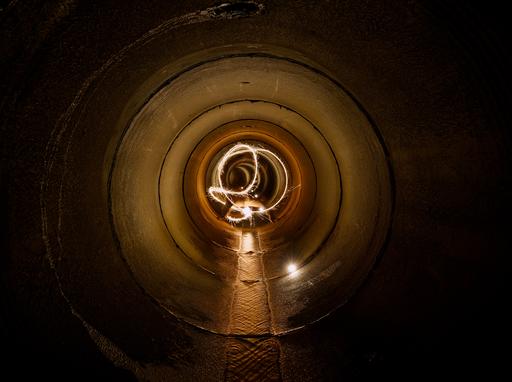
The Sewer Angel
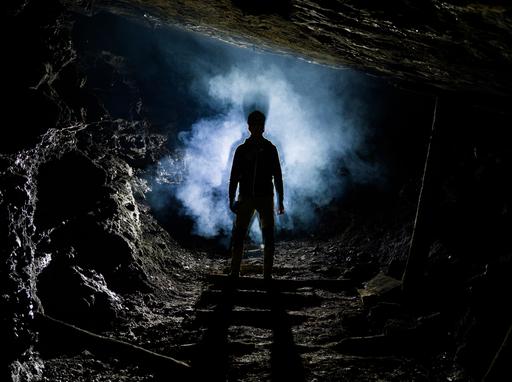
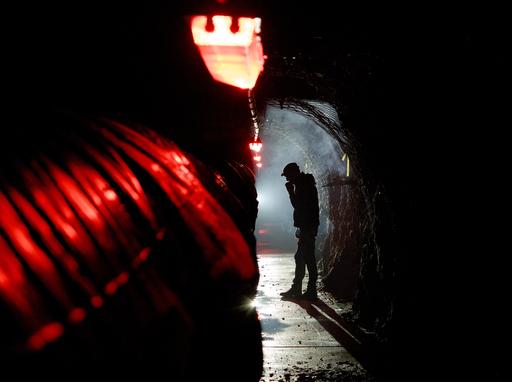
Deep in the mine on a photography expedition, an explorer's silhouette is seen in a cloud of cigarette smoke.
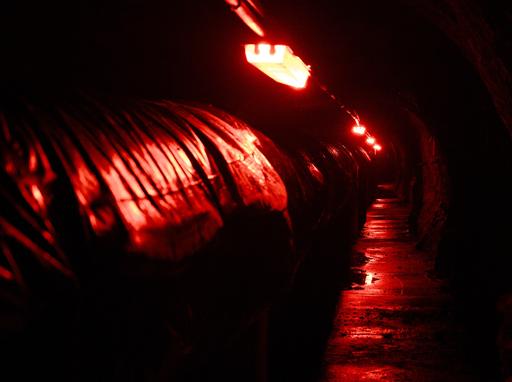
Emergency lighting on...
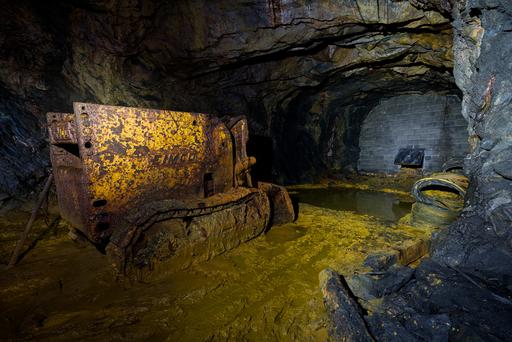
This EIMCO mucker sits abandoned deep in a coal mine. A mucker is a special type of excavator/bulldozer that scoops mud and launches it directly backwards over itself. These are especially common in underground mining where space is tight. The particular mine this machine was found in was filled with ridiculous amounts of mud, so it makes a lot of sense to find it here.
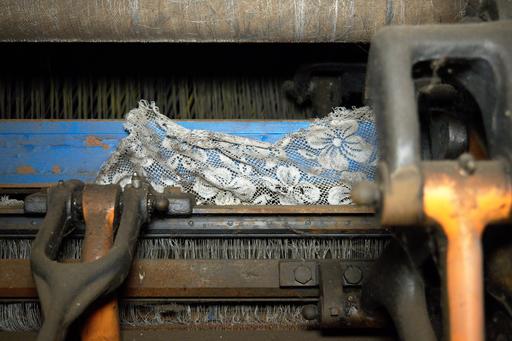
At the now-demolished Scranton Lace Factory, the final production run of lace can be seen sitting in a loom, cut off and left to sit forever.
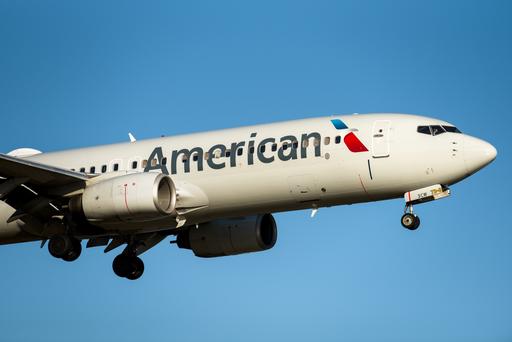
American Airlines Boeing 737-800 (N965AN) on final approach to DCA runway 19.
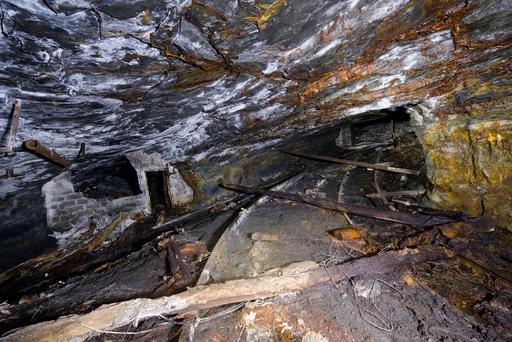
The coal mine gangway joins with an inner slope.
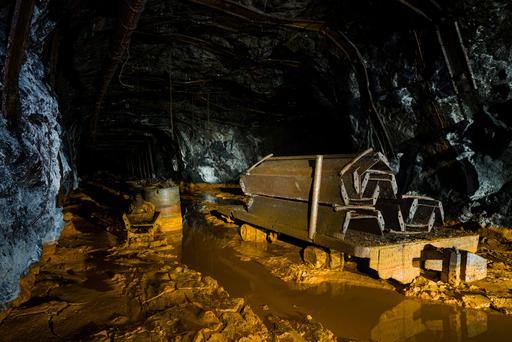
This flatcar sits abandoned in deep muck carrying coal chutes. The mine extends on in the distance seemingly forever, and there is some miscellaneous mechanical components just beyond the flatcar. This mine was excruciatingly long difficult to traverse; the muck was as much as 24-30 inches at its worst. This photo was taken towards the end of the trip, at which point we had already trudged 4 miles through deep mud and water.
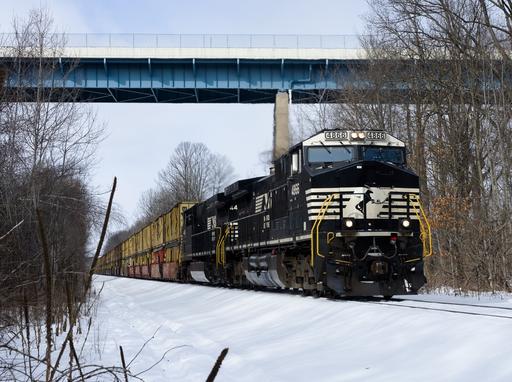
A mixed-freight and intermodal Norfolk Southern train heads southbound under Clarks Summit's Freedom Bridge. It was -20F with windchill when this photo was taken, and my hand was in severe physical pain after 30 seconds of being exposed.
Looking at a mine cart, transfer station, and shaft at the Lansford No. 9 coal mine. This shaft (center back) extended up and down hundreds of feet, but is flooded in the present day. A transfer station (left) is a machine used to shift and rotate coal cars across different tracks when there is not enough room to use normal tracks and junctions. A small mine office is visible to the right.
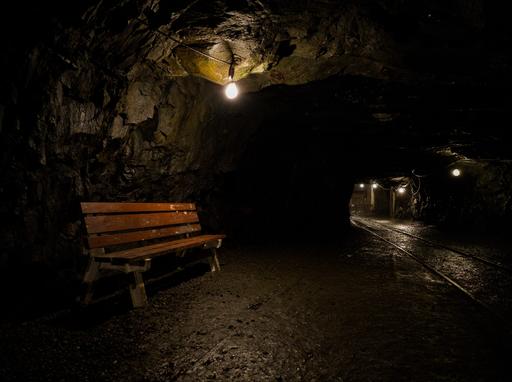
A single bench is illuminated in the coal tunnel.
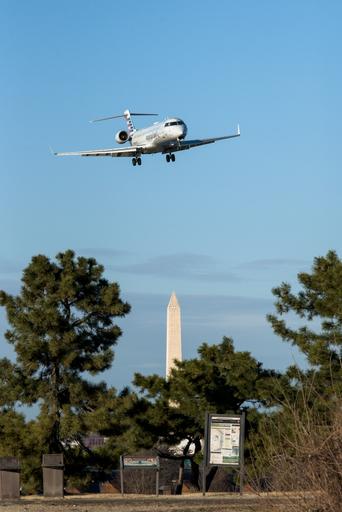
An American Eagle (PSA N543EA) CRJ-700 flies over the Washington Monument on final approach into DCA runway 19.
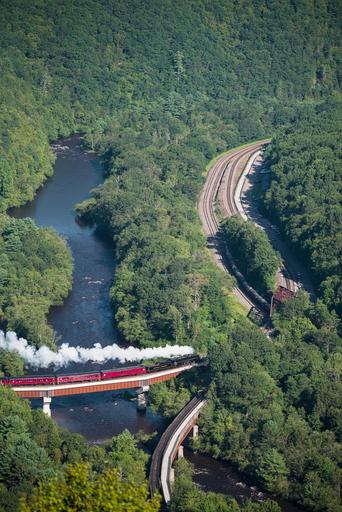
A birds-eye view of the Reading Blue Mountain and Northern's 2102 steam locomotive passing over the Jim Thorpe Wye.
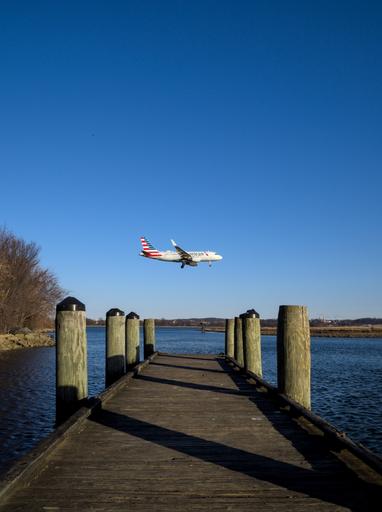
An American Airlines Airbus A319 (reg N4032T) appears over a boat launch dock while on final for DCA Runway 19.
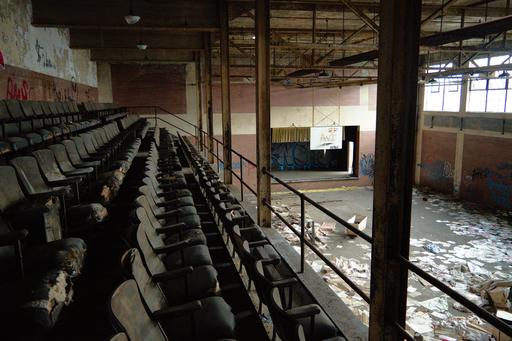
A photo of the Scranton Lace Factory's famous basketball court from up top in the seating area. This basketball court was built for employee recreation, and has sadly since been demolished as part of the Laceworks Village project.
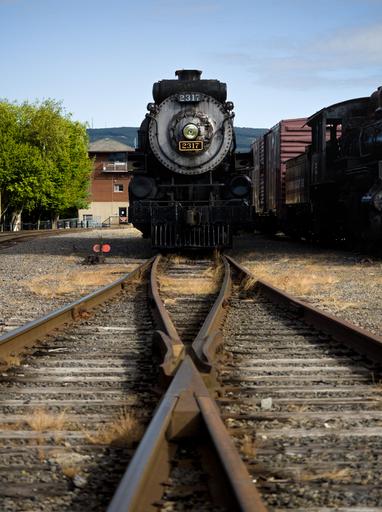
Canadian Pacific 2317 sits just at the start of the junction at Steamtown NHS. This locomotive was built in 1923 in Montreal and saw a rich life of mainline passenger service. Its revenue service ended in 1959, and after some time it ended up pulling passenger excursions. The last time it ran was in 2010.

https://en.wikipedia.org/wiki/Canadian_Pacific_2317
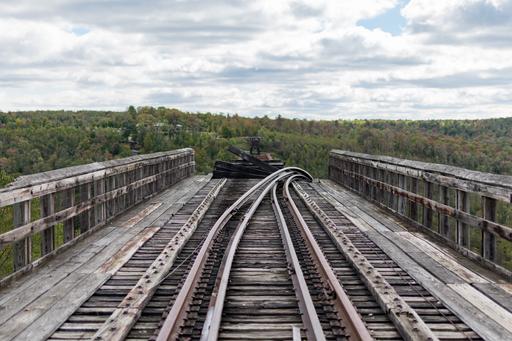
The Kinzua Bridge was the tallest railroad bridge in the world when it was finished in 1882. One night, the support structure was left unbolted from the foundation during a period of extended maintenance. A tornado rolled through that night, collapsing the middle portion of the bridge. Today the Kinzua Bridge is a State Park.
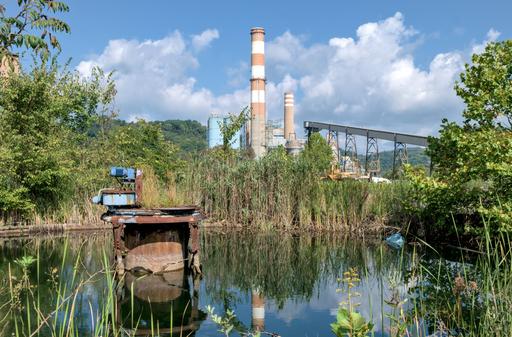
At an abandoned power plant, a water treatment clarifier sits idle and overgrown.
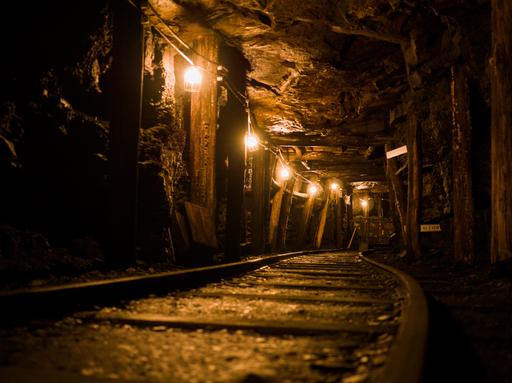
The Brooks Mine in Scranton was built as a "training" mine for foremen and skilled laborers; it never generated revenue and is just around 150 feet long. In 2023, the Underground Miners (UGM) restored the mine to operational condition and opened it to the public, complete with original props and equipment demonstrations. Go check it out!

This photo showcases the main tunnel of the mine. At the end, a loaded coal car is visible.
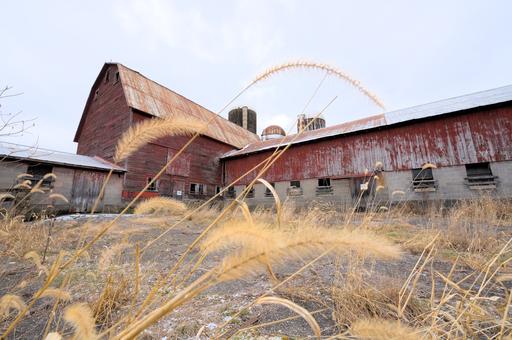
A low view of the Miller Mountain Farmstead - The family who ran this farm sold their land including the surrounding mountain to the state to be repurposed into a state forest. This land is low open to the public for recreation!
Continued...